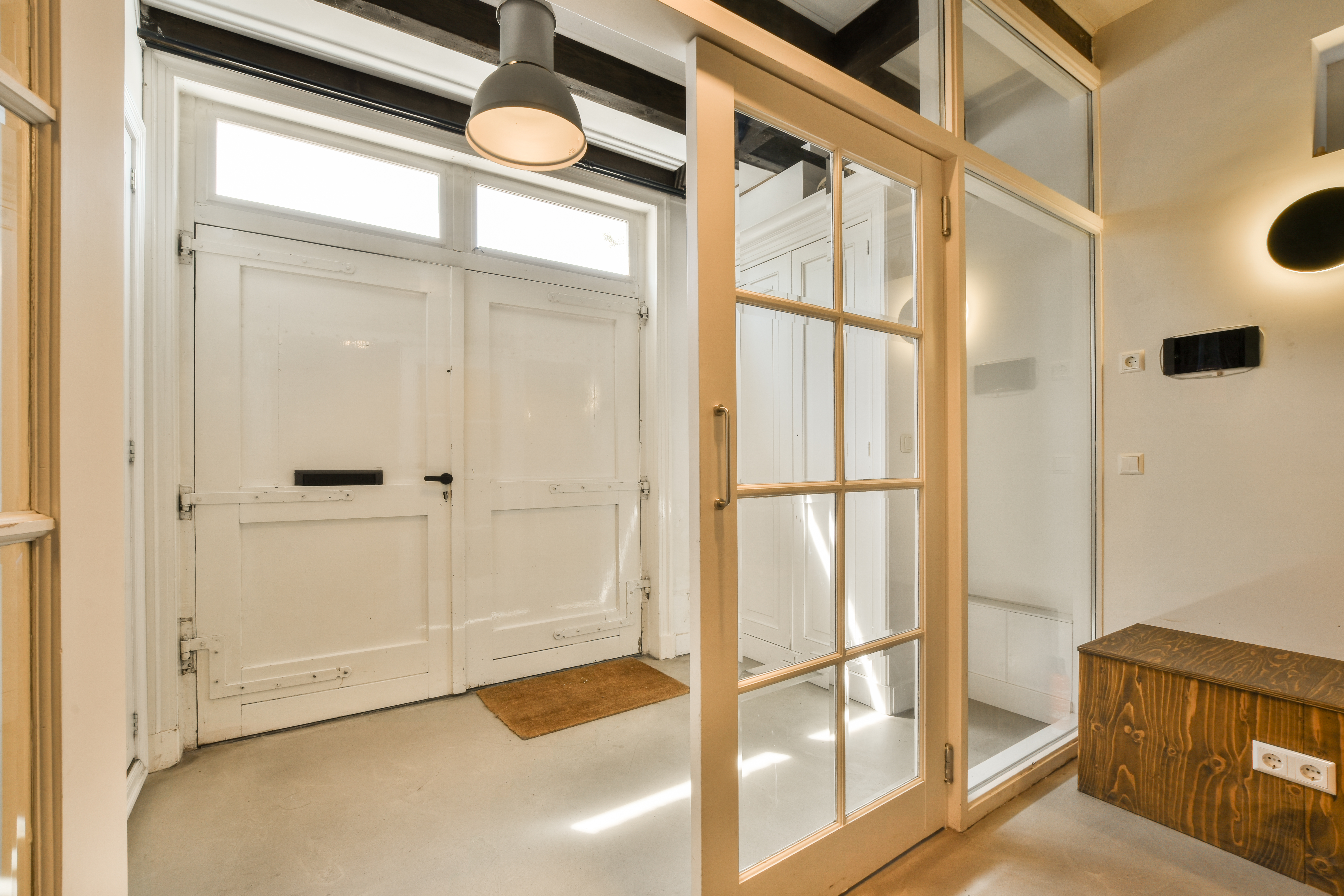
Exposed original beams and a crittall-style glass door during a London renovation by Build360.Team
Insights

Thoughts, guidance, and construction-led perspectives from the Build360.Team studio.

Why Most Home Renovations Go Wrong — And How to Get It Right From the Start
Most renovation issues don’t start on site. 

They start in the early stages, long before construction begins. 

From a construction perspective, the majority of problems we encounter are not due to poor workmanship. They are the result of incomplete planning, unclear information, and decisions being made too late in the process. 

At Build360.Team, we’ve delivered projects across London where the difference between a smooth build and a difficult one came down to how well the project was structured from the beginning. 

Where Projects Begin to Break Down

A common approach to renovation is to separate design and construction. 

An architect produces drawings, a builder prices the work, and the project moves forward based on that information. 

On the surface, this seems logical. 

In practice, it often leads to gaps. 

Drawings may not fully resolve how elements will be built.
Details can be open to interpretation.
Key decisions are left until construction is already underway.  

From a site perspective, this creates uncertainty. 

And uncertainty is where cost, delays, and frustration begin. 

The Impact of Incomplete Information

When construction starts without fully developed information, the site team is forced to make decisions in real time. 

This can lead to: 

Delays while waiting for clarification
Rework when assumptions are incorrect
Variations that increase the overall cost 

Even small uncertainties can have a knock-on effect across multiple stages of the build. 

For example, an unresolved structural detail can delay steel installation, which then affects first fix, which then pushes back finishes. 

These are not isolated issues — they compound. 

Changes During Construction

Another major factor is late-stage decision-making. 

Adjusting layouts, changing materials, or upgrading finishes during construction is one of the most common causes of budget escalation. 

From a construction point of view, each change affects more than one element. 

Moving a wall may impact: 

Structural supports
Electrical layouts
Plumbing routes
Flooring and finishes 

Once work has begun, these changes require undoing and redoing completed work. 

That is where costs increase rapidly. 

The Role of Coordination

A well-managed project relies on coordination between trades. 

Each stage must follow a clear sequence, with every trade understanding their role within the overall plan. 

Without this, common issues include: 

Trades working over each other
Delays between stages
Services clashing behind walls 

This is not a question of skill, but of management and structure. 

Why a Design & Build Approach Works

The most effective way to avoid these issues is to align design and construction from the outset. 

At Build360.Team, we operate as a unified design and build studio. 

This allows us to: 

Resolve technical details before work begins
Ensure drawings reflect buildability
Coordinate trades with a clear programme
Maintain control over both cost and timeline 

Because everything is developed together, there is far less room for uncertainty. 

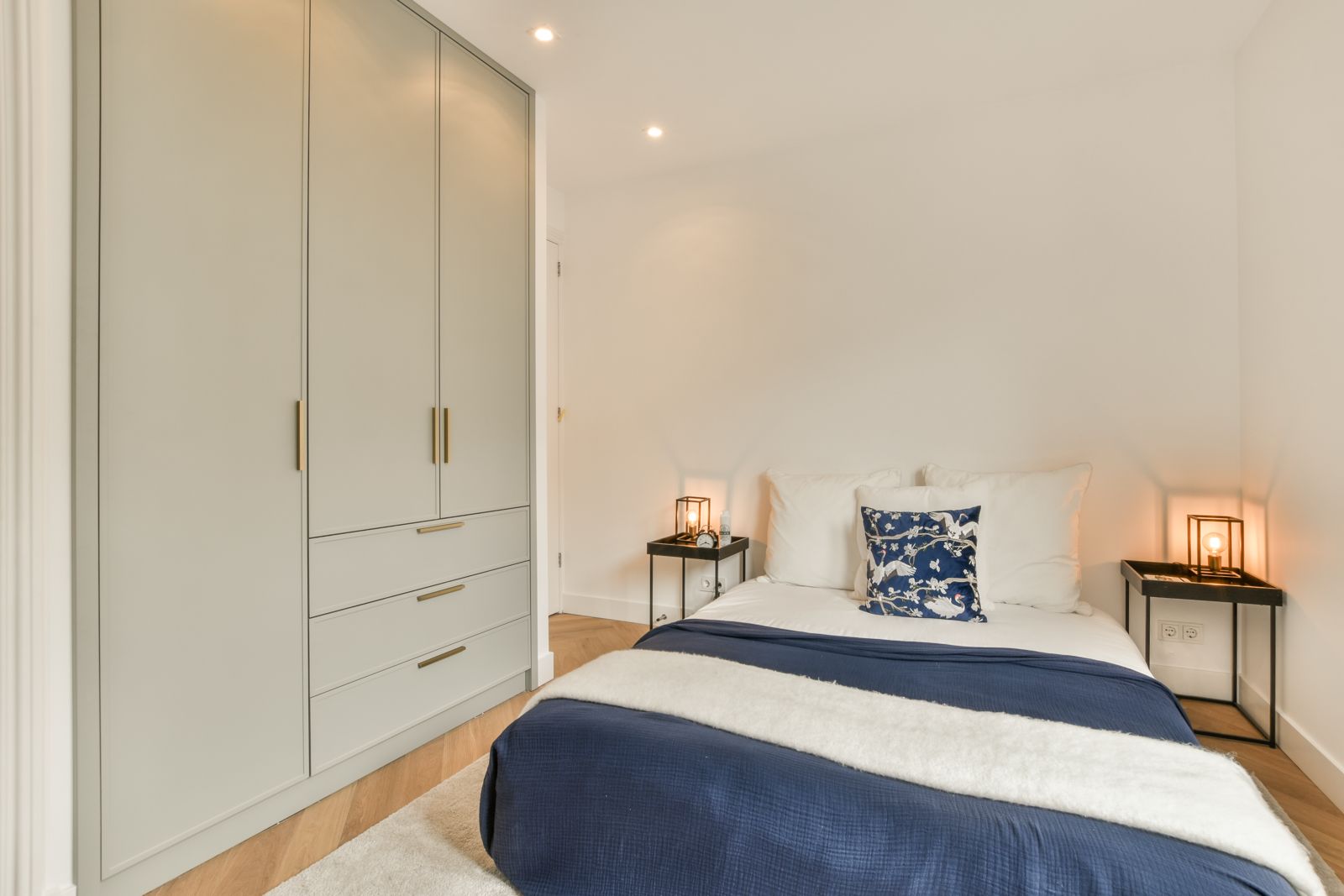
Bespoke fitted wardrobe joinery finished as part of a Build360.Team renovation

Details like bespoke joinery are resolved at design stage, not worked out on-site.

Planning as the Foundation

The early stages of a project are where the real work happens. 

This is where: 

Layouts are finalised
Structural solutions are confirmed
Materials and finishes are selected
Budget is aligned with design intent 

Investing time in this stage prevents problems later. 

From experience, it is always more efficient to resolve issues on paper than on site. 

A newly glazed bay window set within the original period brick building

New glazing designed to sit comfortably within the proportions of the existing building.

Final Thought

From a construction perspective, most renovation failures are avoidable. 

Not by increasing budget, but by improving structure. 

Clear information.
Early decisions.
Strong coordination. 

When these elements are in place, the build becomes controlled, predictable, and efficient. 

And when the process works, the outcome follows. 

Build360.Team
Design & Build Studio