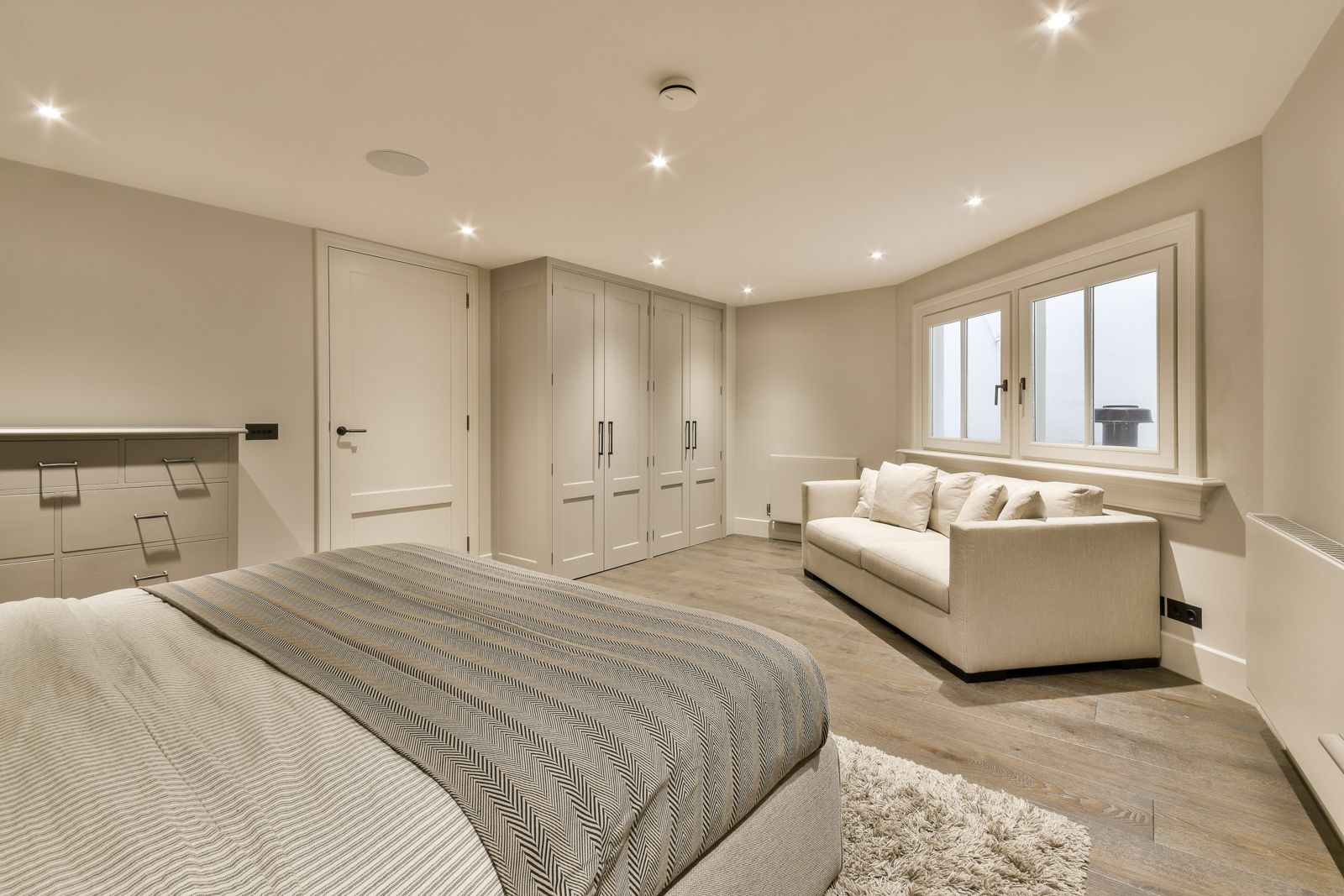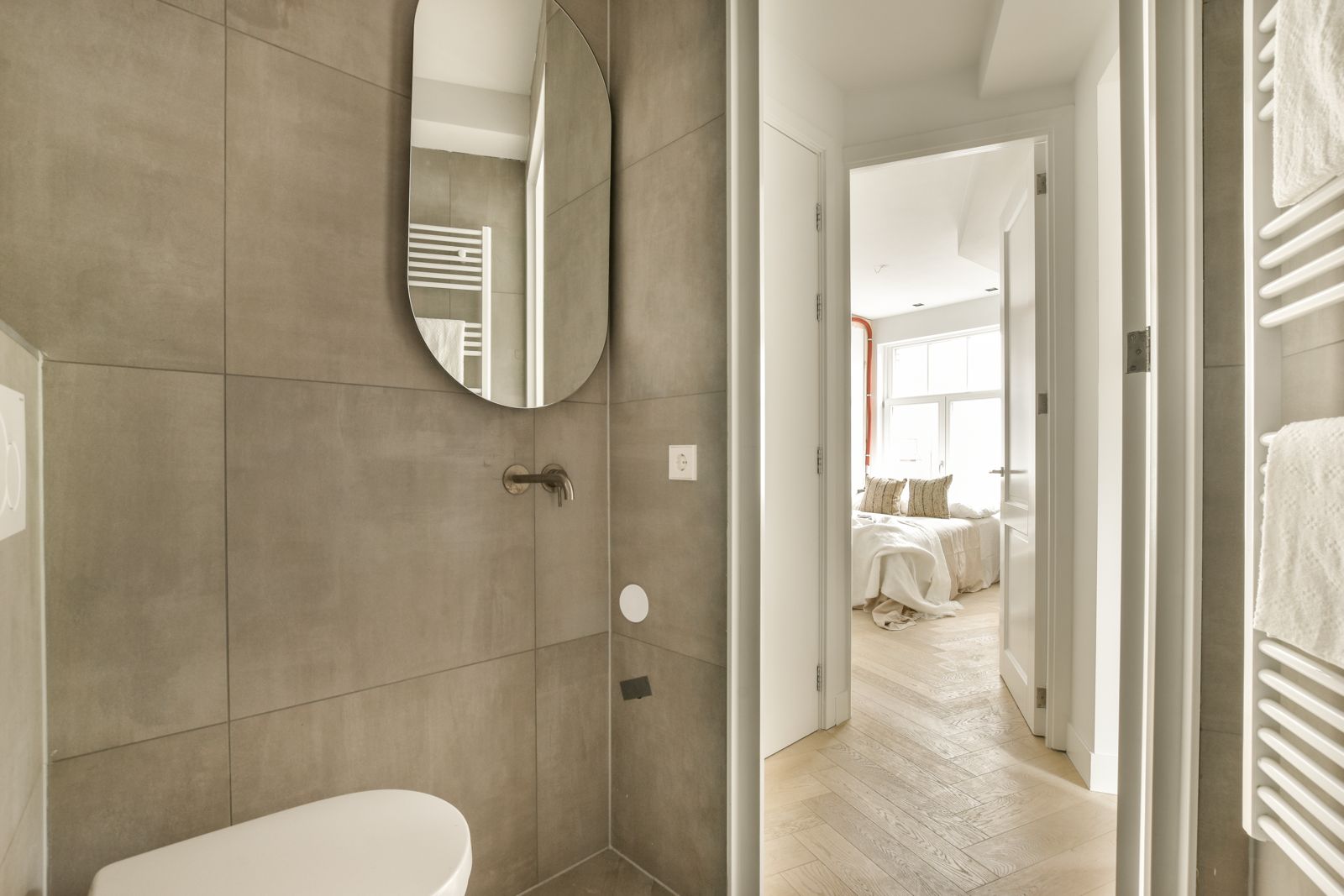
A loft bedroom conversion built within the shape of the existing roof structure
Insights

Thoughts, guidance, and construction-led perspectives from the Build360.Team studio.

Reading a Building Before You Renovate It
Every existing building already has a logic to it. 

Where the light falls. How the structure carries itself. Which walls are doing real work, and which were only ever there to divide a room. 

Before any renovation starts, that logic needs to be understood, not just measured. 

At Build360.Team, this is where our best projects actually begin. 

What the Building Is Already Telling You

A period property rarely needs to be fought. 

Floor levels, ceiling heights, window positions and structural walls all carry information about how the building was originally meant to work. 

Ignore that information, and a renovation ends up working against the house instead of with it. 

Working With the Structure You Have

Not every wall can move, and not every roof can be raised as easily as a drawing suggests. 

Loft conversions are a good example. The best ones don't fight the existing roofline — they build storage, headroom and light around what's already there, rather than forcing in a shape the space was never designed for. 

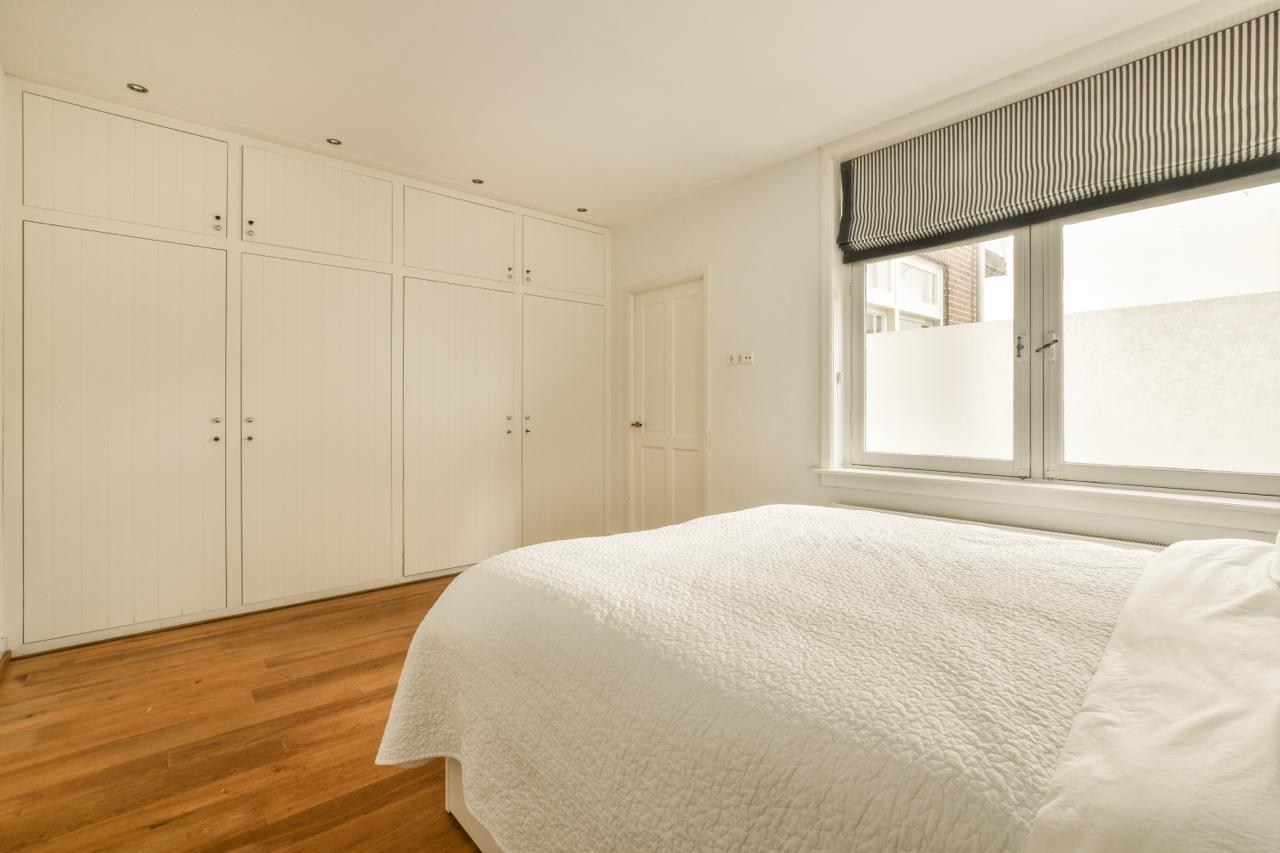
Built-in wardrobes fitted to the exact proportions of an existing bedroom

Built-in joinery fitted to the proportions of the existing room, rather than a generic layout dropped in on top of it.

Where Retrofitting Goes Wrong

Problems usually show up when a design is finalised before the building has been properly surveyed. 

A beam that wasn't accounted for. A drain run in the wrong place. A party wall that behaves differently to how it was assumed to. 

Each of these is manageable on its own. Discovered mid-build, together, they are what turns a fixed-price renovation into a difficult one. 

Respecting Period Details Without Being Precious About Them

Not everything original needs to be kept, and not everything new needs to erase what came before. 

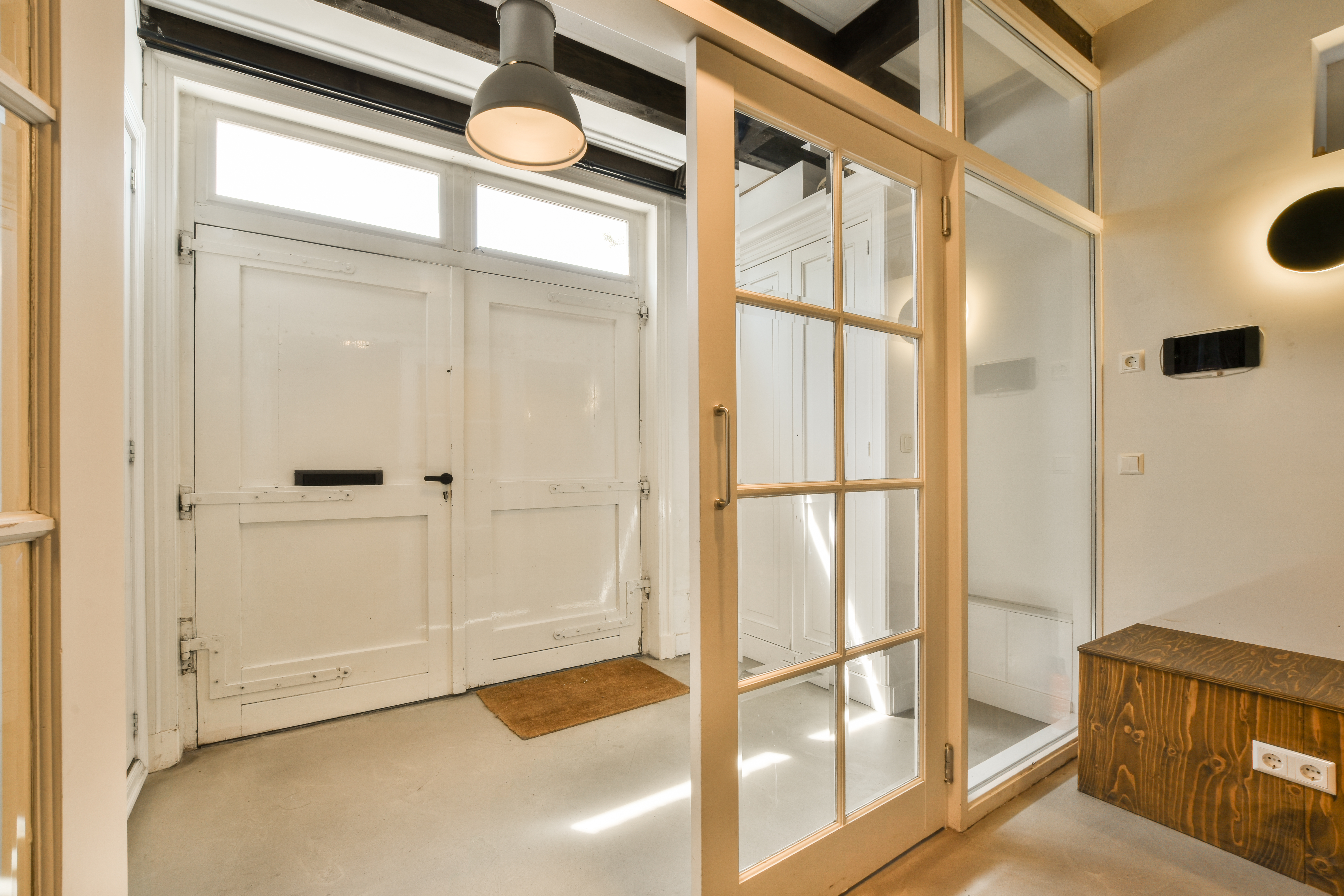
The goal is judgement: knowing which cornicing, floorboards or brickwork add real character worth preserving, and which are simply in the way of a better-functioning home. 

Our Approach

Before we finalise a single drawing, we spend time understanding the building itself — its structure, its services, its quirks. 

That groundwork is what lets us give clients a realistic programme and a fixed scope, rather than a plan that changes once the walls are opened up. 

Final Thought

A renovation that respects the building it's working with tends to run smoother, cost less to adjust, and feel more considered once it's finished. 

That starts long before the first wall comes down. 

Build360.Team
Design & Build Studio